Call to Action-March 2026
Santa Barbara County’s health safety net is under pressure—and our community has the power to respond, mobilize, and organize.
What’s happening
Global and national health policies are reshaping how Santa Barbara County funds and organizes care for uninsured and undocumented residents, creating a mix of new state investments and serious new federal threats to clinic access and county finances (California Department of Health Care Services, 2026; Office of Governor Gavin Newsom, 2025; Santa Maria Sun, 2025; Santa Barbara Independent, 2025).
The Indigent Care Program (ICP) offers limited, short-term help with medical bills for uninsured adults, but it is not full insurance and usually lasts only 1–3 months at a time (County of Santa Barbara, 2021).
California’s Global Payment Program (GPP) and Medi-Cal expansions have brought in new funding and encouraged more primary, behavioral, and community-based care for people who remain uninsured, regardless of immigration status (California Department of Health Care Services, 2026; Office of Governor Gavin Newsom, 2025).
At the same time, new federal rules that treat Federally Qualified Health Center services as a “federal public benefit” are putting thousands of mostly immigrant Medi-Cal patients at risk of losing access to county doctors and clinics (Santa Maria Sun, 2025; Santa Barbara Independent, 2025).
If we do nothing, more of our neighbors—especially immigrants, low-income residents, and people between coverage—will face fragmented care, fewer trusted providers, and worse health.
Call to Action #1: Protect Access to Care for All Neighbors
No one in Santa Barbara County should lose health care because of their immigration status or income.
Urge county leaders to keep clinics open and accessible to uninsured and undocumented patients, even as federal rules shift (Santa Maria Sun, 2025; Santa Barbara Independent, 2025).
Demand that any plans to disenroll patients or cut services include clear protections, warm handoffs, and real alternatives—no closed doors and no dead ends (Santa Maria Sun, 2025; Santa Barbara Independent, 2025).
Support policies and local ordinances that affirm health care as a safe space, separate from immigration enforcement.
Call to Action #2: Invest in Prevention, Not Just Emergencies
When we focus on primary, behavioral, and community-based care, we keep people healthier and reduce costs long term (California Department of Health Care Services, 2026; Office of Governor Gavin Newsom, 2025).
Advocate that GPP and Medi-Cal dollars be used to expand preventive and mental health services in neighborhoods where uninsured and indigent residents actually live and work (California Department of Health Care Services, 2026; Office of Governor Gavin Newsom, 2025).
Push for “whole-person care” investments—care coordination, housing navigation, and community-based supports—so people are treated early, not only in crisis (Office of Governor Gavin Newsom, 2025).
Partner with Federally Qualified Health Centers and other safety-net clinics to ensure stable, long-term access supports short-term county programs like ICP (County of Santa Barbara, 2021; Santa Maria Sun, 2025; Santa Barbara Independent, 2025).
Call to Action #3: Build Local Power and Community Voice
We have already seen that when community members organize, policy can change (Shahi, García, & collaborators, 2023).
We can continue to learn from and strengthen efforts like the Latinx Indigenous Migrant Health Task Force, which successfully pushed for stronger farmworker housing protections during COVID-19 (Shahi et al., 2023).
Join or support coalitions that bring together patients, grassroots groups, providers, and public health leaders to monitor the impact of federal and state changes and to propose local solutions (Shahi et al., 2023).
Center the voices of those most affected—indigent, uninsured, and immigrant residents—in every major county decision about funding, clinic access, and eligibility rules (Shahi et al., 2023).
Your role in community change
Community health change doesn’t start in Sacramento or Washington—it starts here.
Show up: attend Board of Supervisors meetings, town halls, and clinic forums when indigent care, Medi-Cal, or clinic funding is on the agenda.
Speak up: share stories (with consent) of how changes in coverage and clinic access are affecting real people you know.
Stand together: partner with local organizations working on health equity, immigrant justice, and housing so that no policy change happens without community input (Shahi et al., 2023).
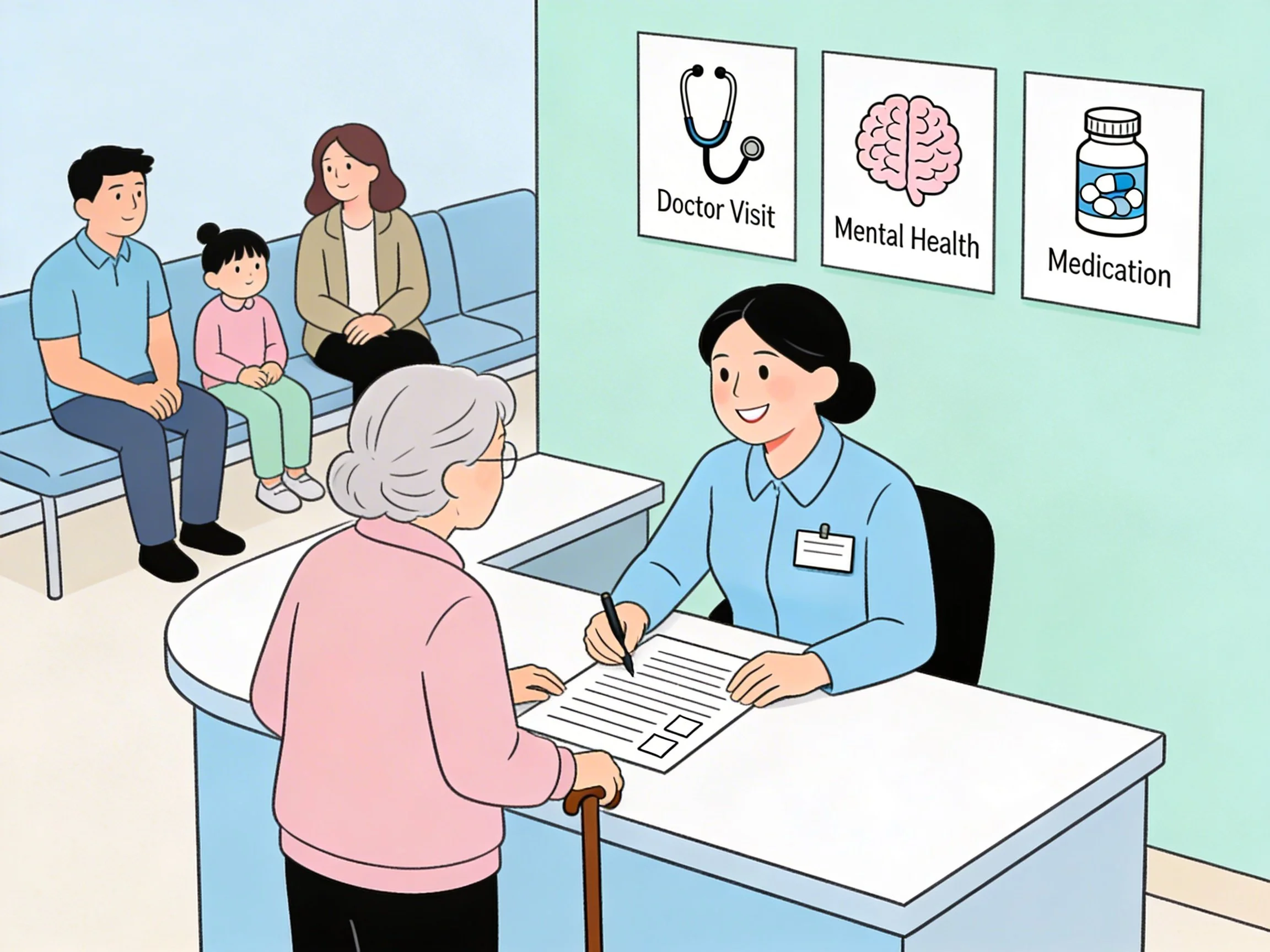
How is Global Health Policy affecting Santa Barbara County Photo Credit: PHOSBC Library
References
California Department of Health Care Services. (2026, March 2). Global Payment Program (GPP). https://www.dhcs.ca.gov/provgovpart/Pages/GlobalPaymentProgram.aspx
County of Santa Barbara. (2021, December 15). Indigent Care Program. https://www.countyofsb.org/2145/Indigent-Care-Program
Office of Governor Gavin Newsom. (2025, November 17). California invests nearly $150 million to improve access to health care for Californians [Press release]. https://www.gov.ca.gov/2025/11/18/california-invests-nearly-150-million-to-improve-access-to-health-care-for-californians/
Santa Maria Sun. (2025, September 24). Federal changes disqualify 7,500 county residents from Medi-Cal at county health centers. https://www.santamariasun.com/news-2/federal-changes-disqualify-7500-county-residents-from-medi-cal-at-county-clinics/
Santa Barbara Independent. (2025, September 23). Santa Barbara County Health is looking to move 7,500 patients to other providers. https://www.independent.com/2025/09/24/santa-barbara-county-health-looking-to-move-7500-patients-to-other-providers/
Shahi, L., García, A., & collaborators. (2023). Power-building partnerships for health: Lessons from Santa Barbara County. Journal of Public Health Management and Practice, 29(Suppl. 5), S311–S320.